
Breathing for Champions
When we work out we breathe differently. We have to, our bodies need more oxygen. But how do you breathe differently?

When we work out we breathe differently. We have to, our bodies need more oxygen. But how do you breathe differently?

Increase your interoception or body sensing skills. Become less reactive and more resilient by developing your 8th sense, your sense of internal sensations or Interoception.

Why do we yawn? Why is yawning so contagious? What causes our body to yawn? I’ve been taught that yawning is your body’s attempt to rebalance your oxygen & carbon dioxide levels in your blood. In other words, if you hadn’t been breathing efficiently, you’ll body will want to reset by taking a yawn. And

Breathing and Posture are intimately interconnected. Your diaphragm, your main breathing muscle, is the top of your core, whereas your pelvic floor is the bottom of your core. Every time you breathe, you’re impacting your intrabdominal pressure, spinal and core stability. Your posture impacts your breathing. How you breathe impacts your posture. Good posture allows
Notice your breath to gain insight into your autonomic nervous system. Intentionally alter your breath to communicate to your unconscious body and your autonomic nervous system. Your autonomic nervous system controls your breathing pattern, your heart rate, your digestion, your hormones, your state of arousal, and your body’s involuntary actions that keep you alive. Your

Hormones affect your breathing. Progesterone (key hormone in reproductive health and women’s menstrual cycle) and Thyroxine (Thyroid Hormone) are respiratory stimulants, increasing the frequency of breathing. Other hormones that regulate the body’s energy, stress response, and metabolism also influence breathing. For example, corticotropin-releasing hormone and leptin have been suggested to act as respiratory stimulants. Whereas,

Anxious feelings have helped us survive. Yet when the anxious feelings are always there, it’s hard to thrive. Breathwork is a tool to help you understand and interrupt anxiety.
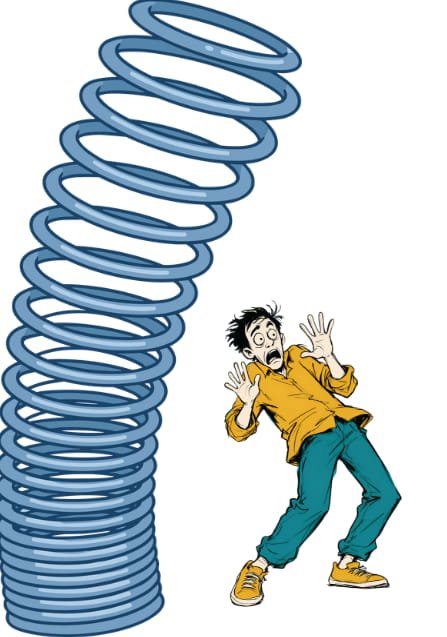
Your body easily goes into action, fight, flight, or freeze mode. We respond to danger and threats quickly. When the scary thing is over, it takes longer to recover and relax.